Agentic Swarming: How IBM Bob 2.0’s Multi-Agent Coordination Is Reshaping Enterprise Modernization
For the past two years, enterprise modernization vendors sold a simple story: point an AI model at your legacy codebase, and it will read, explain, and refactor it for you.
That story worked well enough for isolated tasks. It broke down the moment organizations tried to apply it to the kind of estate most large enterprises actually run, a tangle of Java services, IBM i applications, mainframe COBOL, and PL/I batch jobs that have accumulated dependencies for decades.
A single model, however capable, processes one thread of reasoning at a time.
Modernization at enterprise scale isn’t one problem. It’s dozens of interlocking problems, spanning code comprehension, data lineage, test coverage, dependency mapping, and platform-specific business logic, all of which need to be understood together before a migration plan means anything.
That’s the gap IBM Bob 2.0 was built to close.
From Single Assistant to Coordinated Intelligence
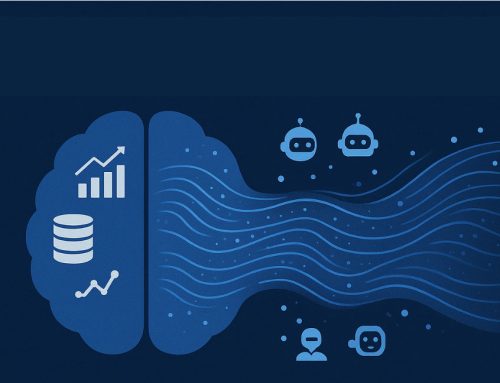
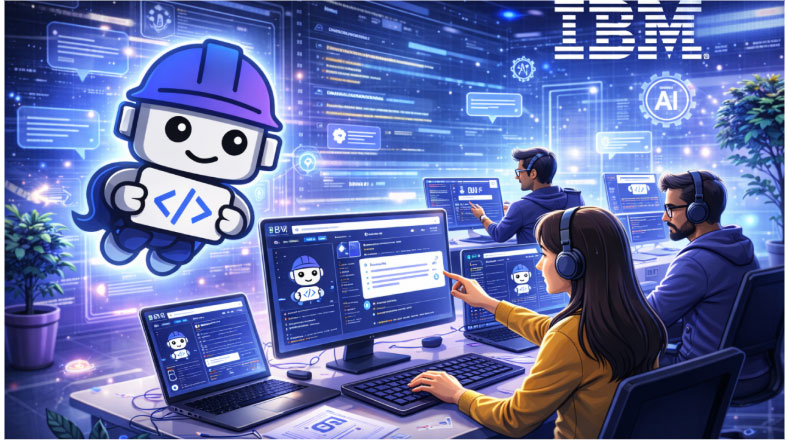
Bob 2.0’s headline capability is multi-agent, parallel tool calling. Instead of a single model working through a modernization task sequentially, specialized agents operate in parallel, each assigned to a distinct piece of the problem, and coordinate their findings into a unified output.
In practice, this looks like one agent tracing COBOL copybook structures while another builds a data lineage map across the same application, and a third generates test cases against the business logic both are uncovering.
The agents aren’t working in isolation and comparing notes afterward. They’re coordinating on the same task in real time, which is what allows Bob 2.0 to compress work that used to take modernization teams weeks into a matter of days.
For heterogeneous estates specifically, this matters more than it might for a single-platform shop.
An enterprise running Java, IBM i, and IBM Z simultaneously has historically needed separate tools, separate specialists, and separate timelines for each platform, with almost no coordination between them.
Orchestrated agents change that math by letting platform-specific analysis happen concurrently, feeding into one modernization plan instead of three disconnected ones.
Depth by Platform, Not Just Breadth
The multi-agent architecture matters, but it means little without deep platform knowledge behind each agent. IBM addressed this directly with Bob 2.0’s three Premium Packages, purpose-built for Java, IBM i, and IBM Z respectively.
Each package embeds decades of platform-specific expertise, from IBM i’s object-based architecture to IBM Z’s transaction processing patterns, directly into the agentic workflows rather than treating every codebase as generically the same.
This is the detail a lot of vendors gloss over when they talk about “AI modernization.” A model that understands Java idioms well doesn’t automatically understand what a CICS transaction is doing, or why a particular RPG program structure exists the way it does.
Bob 2.0’s package-level specialization is what allows the agentic orchestration to produce outputs an enterprise architect can actually trust on platforms where the tolerance for error is close to zero.
Coordination Without Governance Is a Liability
Multiple agents working in parallel on production-critical systems raises the obvious question: who’s making sure they agree with each other, and who’s catching it when they don’t? Orchestration accelerates output, but speed without governance just means bad decisions get made faster.
This is where implementation expertise has to sit alongside the platform itself.
Getting value from Bob 2.0 on a real IBM Z estate means defining validation checkpoints between agents, setting the guardrails that determine when a human architect needs to review an agent’s output before it moves downstream, and structuring the modernization plan so agent coordination maps cleanly onto your actual release process.
None of that comes out of the box. It comes from having run this kind of engagement before.
The Talent Question Underneath the Technology
Orchestrating agentic modernization well requires a specific blend of people: engineers who understand agentic AI workflows, architects with real IBM i and IBM Z platform depth, and governance leads who can define where human review sits in an automated pipeline.
Most enterprise IT organizations don’t have all three sitting on the same team today, and building that bench from scratch takes longer than most modernization timelines allow.
This is a large part of why ASB Resources exists. Beyond deploying Bob 2.0 directly on client engagements, we help organizations hire IT talent, recruit IT talent, and manage IT talent headhunting for the specialized roles that keep agentic modernization programs running well after the initial rollout.
Whether that means our own team leading the engagement or helping you build permanent internal capability, the objective is the same: making sure the orchestration capability you invest in gets used to its full potential.
Where This Leaves Modernization Leaders
Bob 2.0’s multi-agent coordination is a genuine shift in what’s achievable on a modernization timeline, but the platform’s capability and an enterprise’s ability to extract value from it are two different things.
We combine Bob’s agentic orchestration with hands-on implementation expertise across Java, IBM i, and IBM Z to deliver modernization outcomes that are both fast and governed, which is the combination that actually matters when the system in question runs core business operations.
Is your modernization strategy still relying on single-threaded AI assistance?
Request a Multi-Agent Modernization Workshop from ASB Resources today! We’ll demonstrate how Bob 2.0’s coordinated agents can tackle your most complex legacy system in days, not months.
 The Security Debt Catalyst: How IBM Bob Transforms Risky Legacy Code into a Governed, Audit-Ready Asset
 The 30-Day AWS Migration Trap: How to Avoid Costly Run-Rate Blowouts with the Right Partner